
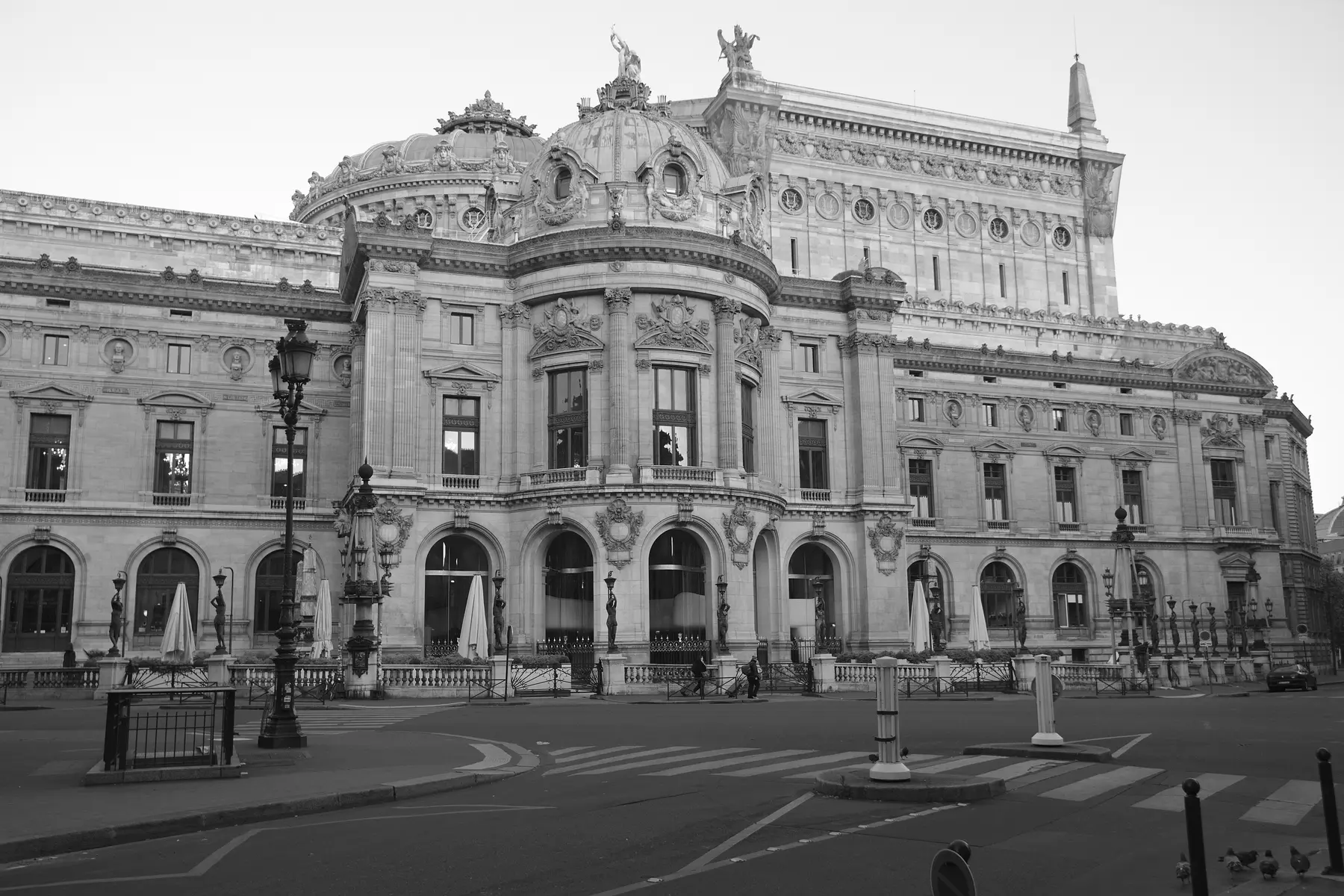
Timing is part of the editorial design
In a high-end itinerary, the time assigned to a cultural experience is not simply an opening left between reservations. It shapes the traveler’s attention, the pace of the story and the way a district is perceived. The same encounter may feel clarifying early in the day and overly demanding after several hours of sightseeing. The useful first question is therefore not “Which hour is still free?” but “How do we want the guest to arrive?” That distinction encourages advisors to separate verified constraints from habitual assumptions. It also protects transition time, an element that may be invisible on the final program but often determines whether the experience feels composed or merely crowded.
Morning supports focus and orientation
Morning often works well for narratives that ask guests to compare dates, works of art or architectural choices. After a restorative night, attention may be stronger, and one clear idea can establish a lens for everything that follows. This is especially useful when an Encounter introduces a person, period or urban transformation that guests will recognize later in the day. Morning should not, however, mean a rushed departure. Breakfast, the transfer from the hotel and possible jet lag must remain compatible with the intended pace. Choosing a thoughtful museum time therefore requires a balance among attention, movement through the city and the continuity of the itinerary.
Afternoon can connect culture to the city around it
Afternoon is often the strongest setting for an experience that grows naturally from lunch, a neighborhood or an earlier visit. Guests already possess visual references and can connect a historical story with what they have just seen. The tradeoff is energy: a substantial meal or an active morning may reduce concentration. A premium program avoids placing two demanding narratives back to back without room to reset. It can use a panoramic transfer, coffee or genuine free time before the encounter. Afternoon becomes especially effective when movement through Paris feels like narrative progression. The traveler is no longer crossing town for another appointment but moving deliberately from one chapter to the next.
Evening offers intimacy, provided the format remains restrained
Evening can give cultural storytelling a more intimate register. The city’s light changes, conversation becomes less formal and an encounter may lead naturally into dinner rather than stand alone. That atmosphere is not a license to make the content longer or more theatrical. After a full day, guests need clean transitions and a lucid structure more than additional material. Access must also be confirmed for the specific place and date; no advisor should assume that a museum, monument or salon remains available late. When conditions allow, evening suits stories of sociability, theater, salons or historical nightlife, as long as atmosphere supports rather than replaces accuracy.
Arrival day follows a different clock
An arrival in Paris disrupts ordinary categories. Morning may be the end of an overnight journey, while late afternoon may be the first moment when the guest feels fully present. A good program absorbs transport uncertainty, hotel arrival and fatigue instead of turning every minute into an obligation. A short, nearby and immediately legible experience may serve better than a sweeping two-hour narrative. Designing a cultural experience for arrival day calls for a modest but meaningful promise: create an intelligent first connection with Paris, not demonstrate the entire depth of the destination within the traveler’s first few hours.
Sequence matters as much as the hour
An Encounter before a monument can prepare the eye; the same conversation afterward can organize memories and challenge first impressions. Neither sequence is automatically superior. The right choice follows the editorial question. If clients need to recognize details during the visit, interpretation should come first. If they need to make sense of what they felt, it should follow. Should the encounter, monument or museum come first? develops this approach to sequencing. The itinerary then stops behaving like a chronological list. Each component prepares, reveals or deepens the next, allowing a small number of experiences to produce a coherent intellectual journey.
Meals, transfers and margins are quality tools
Time that is not labeled cultural still determines the success of cultural content. A long lunch can weaken an afternoon discussion, while a transfer calculated to the minute can turn an elegant introduction into a race. A well-placed pause, by contrast, lets questions emerge and allows an expert to respond to the guest’s actual experience. For travel advisors, margins are not empty space waiting to be removed. They protect punctuality, attention and the perception of ease. Premium quality is often measured less by the number of booked activities than by the absence of friction among them. The schedule should support the story instead of forcing the story to fight the schedule.
B2B guidance: choose a rhythm before choosing an hour
Before fixing a time, itinerary designers can define the Encounter’s function: open the day, connect two places, provide a pause or complete a theme. They can then test that function against verified access, traveler profile, season, meals and transfer time. This method avoids rigid formulas such as scheduling all culture in the morning or every private experience in the evening. Elyrea’s Encounters are narrative components meant to work within the full journey. The best time is the one at which the guest has sufficient energy, the place can be approached honestly and the conversation gives greater meaning both to what came before and to what follows.
FOR YOUR GUEST ITINERARIES
Designing a demanding Paris itinerary? Elyrea can help place each Encounter where it best serves your clients’ energy and the journey’s larger story.
Discuss your itinerary