
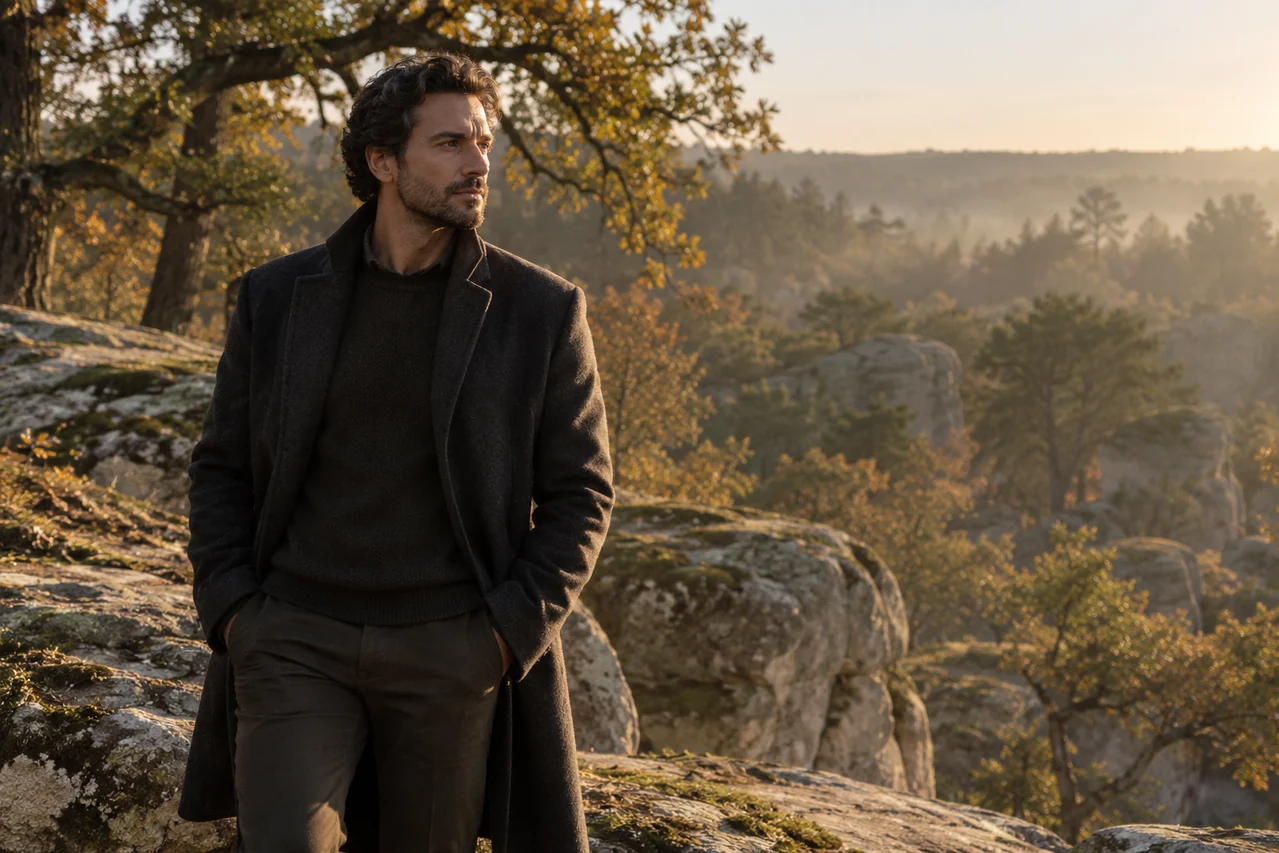
A name taken from the world of hunting
The name Grand Veneur immediately evokes horses, hounds and the hierarchy of organized hunting. That vocabulary belongs to the historical culture of the royal forest, which helps explain the story's persuasive setting. A fictional or legendary figure can borrow recognizable social roles without becoming an identifiable archival person. The useful first distinction is therefore between the historical practice of hunting and the supernatural narrative built around it. Both matter culturally, but they support different kinds of claims about the past.
Why the legend has no single settled biography
Oral traditions rarely arrive with a complete record of their beginning. Stories circulate, acquire new details and may change again after being written down. Versions of the Grand Veneur can differ in the ruler involved, the circumstances of an appearance or the meaning attached to it. These differences are part of the subject rather than an inconvenience to remove. A responsible account explains their variability instead of manufacturing a definitive name, life story or precise sequence of supernatural events.
A warning that unsettles royal authority
In some versions, the mysterious presence confronts or warns a sovereign. This is an effective narrative reversal: a ruler accustomed to commanding others encounters something beyond command. The forest becomes a place where status does not guarantee understanding or safety. The story can be read as a reflection on uncertainty, destiny and the limits of power. Such an interpretation does not establish what any king actually experienced; it explains why the dramatic relationship between monarch and apparition remains compelling.
The wider imagination of the supernatural hunt
Phantom riders and uncanny hunts occur in several European traditions. Their recurrence shows how strongly forests, animals, movement and sound can stimulate cultural imagination. It would be too simple to claim that every local version derives from one original story. Similar settings may produce related narrative forms, while tellers also exchange and transform tales. Fontainebleau's contribution lies in its own royal and geographical context. The forest's many legends are best understood through those relationships rather than as a catalogue of proven hauntings.
Hearing something before seeing its source
A hunting horn is especially suggestive when the person sounding it remains out of sight. Woodland distances, changing visibility and unfamiliar noises can make the ordinary difficult to interpret. Legends turn this perceptual uncertainty into meaning: an unexplained sound becomes a sign or a presence. Visitors can test the basic experience simply by listening carefully to the forest. No manufactured scare is necessary. The setting already demonstrates why a story about an invisible hunt might be repeated and remembered.
Treat folklore as a form of cultural evidence
A legend may not establish that its events happened, yet it offers evidence of what people imagined, feared or found worth retelling. This makes the Grand Veneur relevant to cultural history without requiring belief in ghosts. Comparing versions can reveal which details endure and which change with the audience. It also encourages a useful travel question: how do we know what we are being told? That question strengthens curiosity rather than diminishing the pleasure of hearing a mysterious story on location.
A character suited to an embodied narrative
The Grand Veneur can introduce the world of royal hunting through a distinctive voice and presence. In an Elyrea Encounter, this is a legendary role connected with Fontainebleau's landscape, not a claim that a documented historical individual has returned with reliable testimony. Participants may enter the story imaginatively while retaining that distinction. The character's relevance comes from the relationship between forest, hunting and tradition. The same tale transferred to an arbitrary setting would lose much of its cultural meaning.
Leave with a better question, not a forced solution
A good visit need not end by proving or disproving the apparition. Travelers can understand more about the forest and still enjoy the unresolved narrative. This suits adults interested in cultural traditions and families ready to compare belief with evidence. For an itinerary, choosing between a forest walk and the Grand Veneur Encounter depends on the desired experience: independent observation, structured historical explanation or a participatory entry into folklore. Each can be useful when its purpose is clear.
FOR YOUR GUEST ITINERARIES
Have guests who enjoy folklore and cultural history? Elyrea can help you place the Grand Veneur Encounter within a Fontainebleau itinerary that respects both imagination and documented context.
Discuss your itinerary