
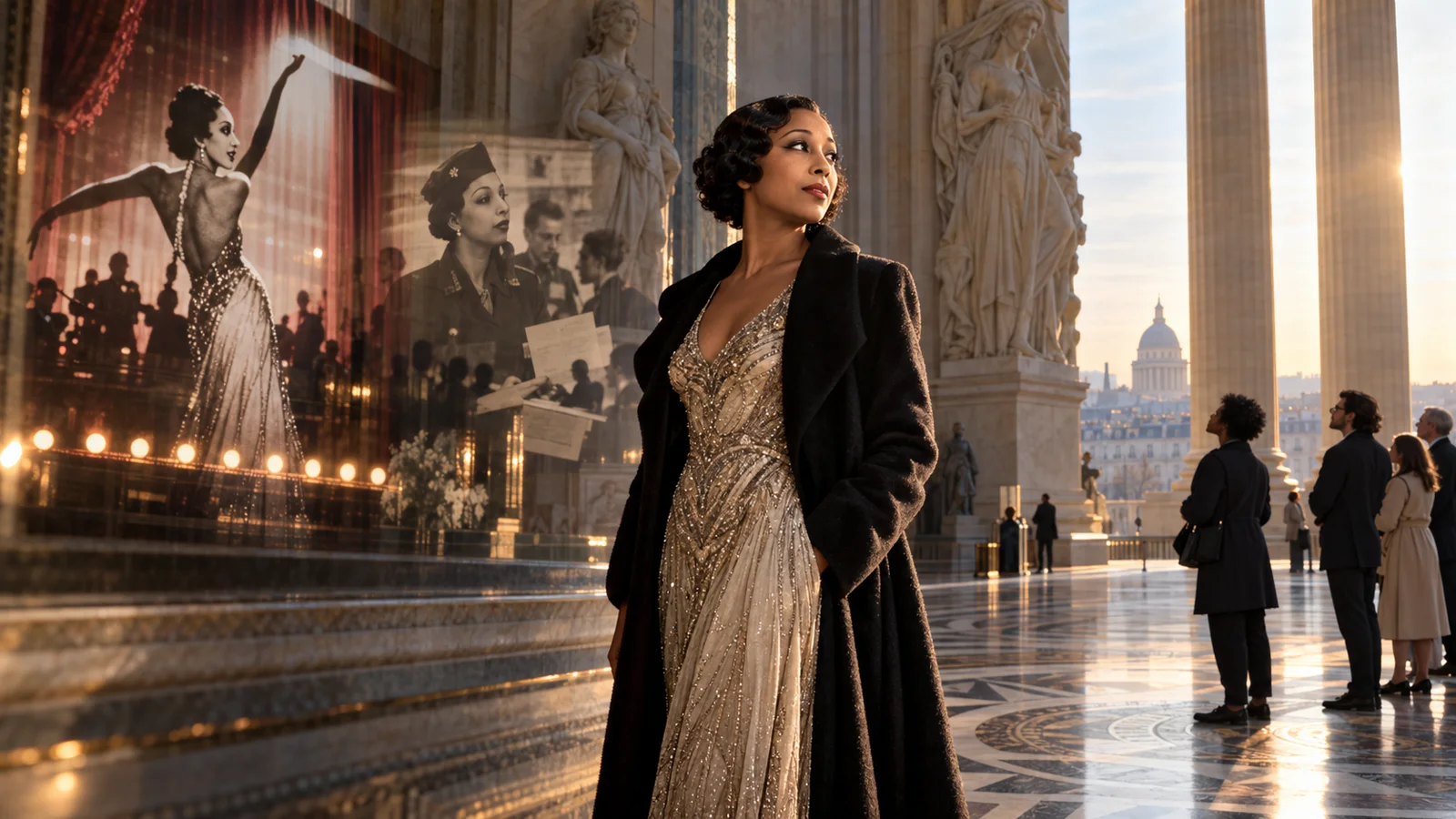
Start with the traveler’s real question
Panthéonisation separates the historical person from the values selected by a national ceremony and the debates surrounding memory. It connects performer, Resistance figure and activist without flattening complexity. The subject therefore needs more than a list of colorful facts. Begin with what the guest is trying to understand, what they already know and how much context will be useful. In Paris, the setting is evidence rather than decoration: it preserves traces, creates meaningful distances and forces us to separate what can be seen today from what belongs to historical reconstruction. This approach answers a defined search need while resisting the familiar tendency to turn a person, artwork or destination into an instantly consumable icon.
Build a reliable frame
A strong cultural explanation establishes chronology and identifies the people who actually shaped the story. Individual choices become clearer when placed within political, social, artistic and material conditions. It is equally important to acknowledge collaborators, institutions, patrons, witnesses and intermediaries who disappear when fame concentrates attention on one name. Context does not weaken storytelling. It reveals why an action was possible, controversial or inventive at the time, and why later generations have interpreted the same episode differently.
Read the setting as evidence
Streets, buildings, views and present-day uses in Paris offer clues, but they cannot explain themselves. Careful interpretation identifies what survives, what has changed and what must be reconstructed from documents. One concrete detail — an inscription, material, orientation, route or relationship between buildings — can slow guests down and sharpen attention. The setting becomes a field of inquiry rather than an interchangeable background. Looking closely is then part of historical understanding, not simply preparation for a photograph.
Separate evidence from afterlife
Famous subjects attract neat quotations, reconstructed memories and claims that survive because they are easy to repeat. The finished article will distinguish documented evidence, informed interpretation, legend and Elyrea’s theatrical framing. This is particularly important where sources conflict or popular culture has flattened a complicated life. Acknowledging uncertainty does not leave readers empty-handed. It shows how historians and curators weigh evidence, and why several narratives may coexist without carrying equal authority.
Change the way guests look
The value of cultural travel lies in more than learning what happened. A well-framed story changes how a guest sees a work, landmark or city in the present. Panthéonisation separates the historical person from the values selected by a national ceremony and the debates surrounding memory. It connects performer, Resistance figure and activist without flattening complexity. Knowledge remains connected to travel because each idea grows from a place, object, choice or visible consequence. Well-informed visitors gain room for discussion; newcomers receive a structure that makes detail intelligible. Neither group needs a lecture detached from the setting in front of them.
Place it within a considered itinerary
The right sequence depends on the rest of the day. A narrative encounter may prepare guests for a museum, extend a monument visit or provide continuity between neighborhoods. Tickets, institutional opening times, group conditions and transfers must still be confirmed separately. the relevant Elyrea Encounter supplies an embodied perspective; it does not automatically include admission to the places discussed. Protect attention by choosing a few meaningful connections, adding a pause and leaving room for guests to talk rather than filling every available minute.
Who will value this approach?
This subject suits travelers who like to connect art with people and monuments with human decisions. It can also work for returning visitors, multigenerational families and guests who have little appetite for encyclopedic commentary. Depth should respond to the group: some need a clear introduction, while others want to examine sources, controversies or technique. A useful advisor brief covers interests, previous knowledge, mobility, language and preferred pace, allowing the interpretation to adapt without losing substance.
A note for travel advisors
Present the experience through the understanding it creates: what guests will see differently afterwards, rather than the number of stops covered. Connect it to museum time, lunch or independent exploration that genuinely fits the day. Confirm practical arrangements with each institution and never describe geographic proximity as a commercially included service. To discuss this theme for a private itinerary, contact Elyrea with the date, language, party size and guest interests. The team can advise on pacing and on the Encounter’s role within the wider journey.
FOR YOUR GUEST ITINERARIES
Planning a private cultural itinerary? Elyrea can help you weave this perspective into your guests’ journey.
Discuss your itinerary