
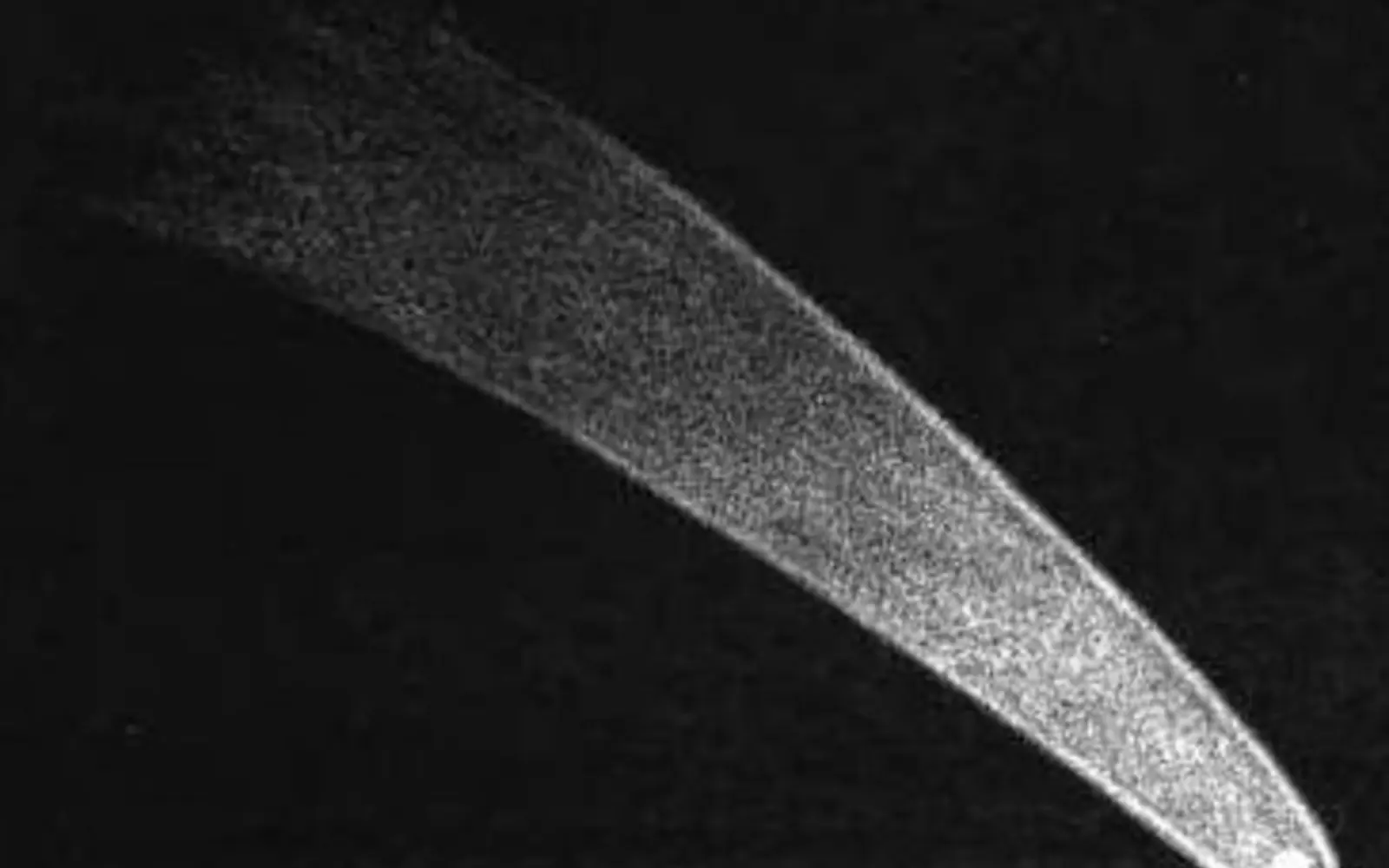
In 1811, Europe looked up
The Great Comet of 1811 remained visible for much of the year. In a Europe where celestial events still generated omens and public fascination, it became part of collective memory. Veuve Clicquot’s official history links its passage with an exceptional harvest and a remarkable Comet Vintage. The name preserves a historical association; it is not scientific evidence that the comet altered the vines.
An excellent harvest, not demonstrated celestial magic
Winegrowers and merchants have often connected outstanding years with comets. No accepted mechanism shows that a distant object improves grapes. The historically important point is narrative: the sky offered a language for remembering an already exceptional agricultural year. Madame Clicquot recognized that a spectacular shared image could give the wine a clear, portable identity.
Madame Clicquot had already embraced vintage champagne
The House’s official timeline records her production of the region’s first known vintage champagne in 1810. Instead of allowing multiple years to disappear into one blend, she made a specific harvest meaningful. The 1811 wine extended that choice. Who was Madame Clicquot? reveals an executive able to combine technical innovation, market intelligence and reputation building.
The comet became a memorable sign
A vintage story works because it compresses weather, expectation and memory into one image. The comet gave 1811 an emblem that could travel far beyond Reims. It also helped distinguish the wine before modern brand systems and familiar label codes were fully established. Perceived value rested on the product, but also on a story that merchants and clients could repeat.
The wine traveled as Europe reopened
In 1814, Madame Clicquot sent 10,550 bottles of the 1811 champagne to Saint Petersburg so they would arrive as the Russian blockade on French goods lifted. The House describes a triumphant reception. Veuve Clicquot’s Russian campaign turned Comet Wine into a commercial spearhead, pairing a celebrated vintage with logistical risk and exceptionally precise timing.
Clarity would become a modern promise
Early nineteenth-century champagne could remain cloudy because of secondary-fermentation sediment. The riddling table later developed by Madame Clicquot helped produce clear wine without sacrificing sparkle. The chronology matters: the 1811 vintage came before the House dates this invention to 1816. The history of Veuve Clicquot riddling explains that separate technical breakthrough.
This brand story predates the Yellow Label
The Yellow Label trademark was not registered until 1877. Comet Wine therefore belongs to an earlier phase of brand formation. Reputation traveled through merchants, the memory of a harvest, prestigious drinkers and stories attached to bottles. Veuve Clicquot’s identity was first built through decisions, methods and distribution networks before it was condensed into a color code.
B2B guidance: separate event, belief and strategy
For champagne-focused clients, distinguish three layers: the comet that was genuinely observed, the traditional belief connecting the sky with quality, and Madame Clicquot’s documented commercial strategy. That separation protects historical accuracy without flattening the story. The Elyrea Madame Clicquot Encounter can extend this entrepreneurial and sensory reading, subject to separately confirmed availability.
FOR YOUR GUEST ITINERARIES
With Elyrea, discover how Madame Clicquot connected a celestial spectacle, a remarkable wine and a commercial strategy that became legend.
Discuss your itinerary